
How to Report Copyright Infringement: A Clear Guide for Content Creators and Rights Holders
Copyright infringement happens when someone uses your original content without permission. In today’s digital age, creators—from photographers and writers to musicians and business owners—must know how to protect their work. This guide explains how to report copyright infringement effectively and safeguard your creative rights.
What Is Copyright Infringement?
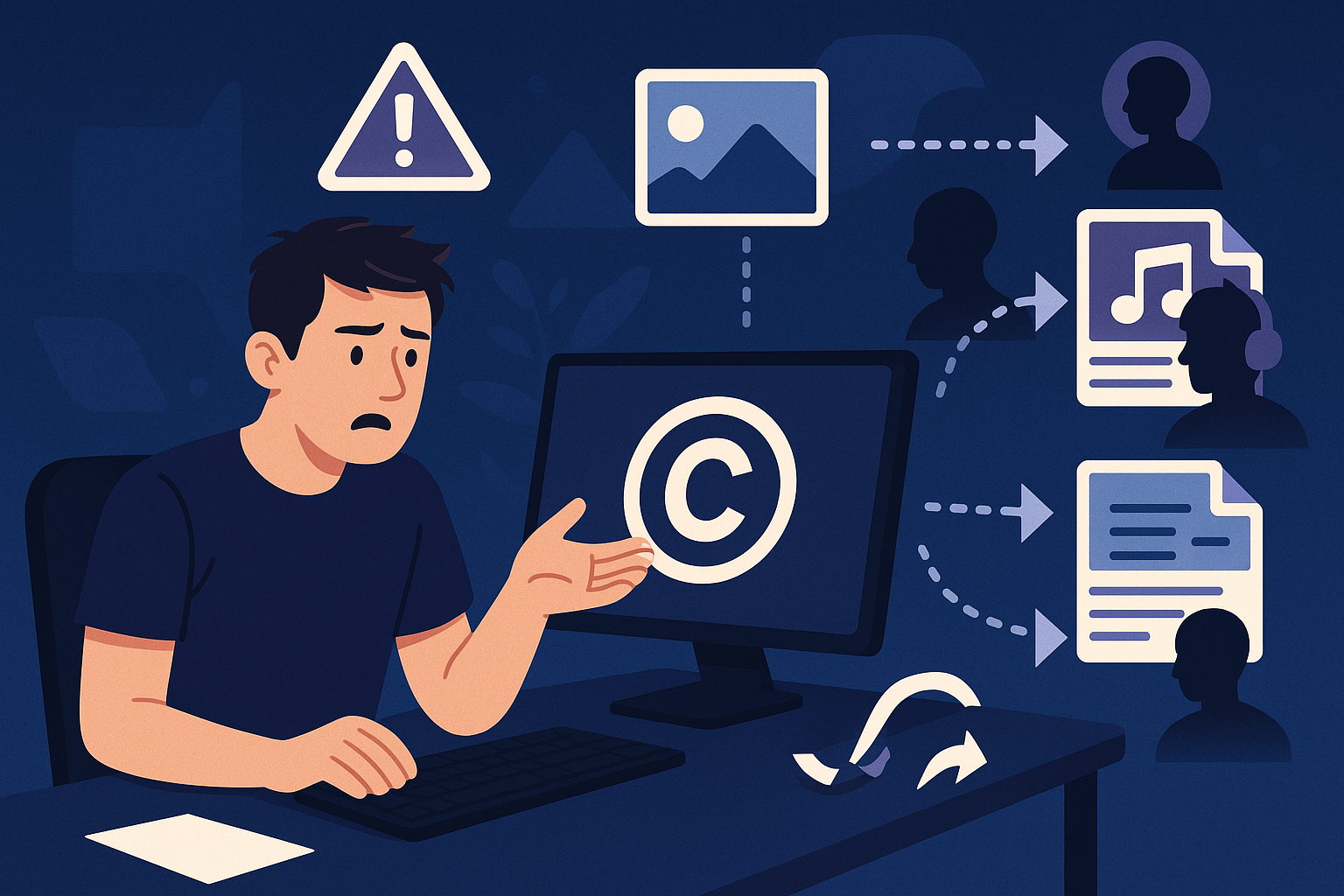
Copyright infringement is the unauthorized use or copying of your original work. It is not borrowing or being inspired by your content, but direct and illegal use such as:
- Reposting your photos or articles without credit
- Using your music in videos without permission
- Pirating your software or ebooks
- Streaming your films on unauthorized websites
This harms you financially, creatively, and damages your reputation. If you own the content and someone uses it without your consent, that is copyright infringement.
Summary:
Unauthorized use of your original work without permission constitutes copyright infringement.

Why Reporting Copyright Infringement Matters
Reporting infringement is crucial because it:
- Protects your legal rights
- Helps remove unauthorized content quickly
- Can lead to compensation for damages
- Maintains your brand’s integrity
According to the 2023 U.S. Copyright Office report, enforcement of copyrights remains a top concern for creators worldwide. Reporting infringements is your key move to defend your work.
Summary:
Reporting copyright infringement is essential to uphold your rights and protect your creative work.
Step-by-Step Guide to Reporting Copyright Infringement
1. Verify the Infringement
Confirm the use is unauthorized and that fair use does not apply. Make sure you are the rightful copyright owner and collect evidence like screenshots and URLs.
2. Gather Required Information
Prepare your:
- Full name and contact details
- Proof of ownership (registrations, timestamps, originals)
- URLs or locations of infringing content
- Description of your work
- Date you discovered the infringement
- Good-faith statement declaring unauthorized use
- Sworn declaration of truthfulness
3. Submit a DMCA Takedown Notice
The DMCA (Digital Millennium Copyright Act) allows U.S.-based creators to request removal of infringing content online. Your notice must include:
- Description of your copyrighted work
- Details of the infringing content and where it’s found
- Your contact details
- Statement of your honest belief of unauthorized use
- Sworn accuracy declaration
- Your signature
Many platforms provide forms to submit DMCA notices:
| Platform | Reporting Link |
|---|---|
| YouTube | https://support.google.com/youtube/answer/2807622 |
| https://www.facebook.com/help/174987118383483/ | |
| https://help.instagram.com/contact/552695131608132 | |
| https://help.twitter.com/en/rules-and-policies/copyright-policy | |
| https://support.google.com/legal/troubleshooter/1114905 |
4. Follow Platform Instructions Carefully
Submit your notice exactly as required. An incomplete or sloppy report may be rejected. Once accepted, the infringer is notified and may respond, but your work is likely to be taken down quickly.
5. Follow Up If Needed
If infringing content remains, consider contacting the platform directly, sending a cease-and-desist letter, or pursuing legal action for serious cases.
Summary:
A clear, detailed, and well-documented takedown notice improves the chances of quick removal of infringing content.

Tips to Strengthen Your Reporting Process
- Register your copyright to enable legal recourse and potential damages
- Keep detailed records of infringement evidence and correspondence
- Use watermarks or embed metadata as proof of ownership
- Employ enforcement services like Pixsy or Digimarc to track stolen content
- Maintain professional and polite communication
- Educate your audience on content use policies to prevent accidental infringements
Summary:
Preparation, documentation, and using technology enhance your protection and enforcement efforts.
What to Do if Your Report Is Ignored
- Resubmit with clearer information
- Politely escalate via social media or support channels
- Consult a copyright attorney for stronger measures
- Request search engines to de-index the infringing pages
Persistence is key when dealing with ignored infringement reports.
Summary:
Follow through persistently to ensure enforcement of your rights.
When to Seek Legal Help
Consult an attorney if:
- Your valuable projects are repeatedly infringed
- Your brand or income suffers significant damages
- Infringers ignore all takedown requests
- Ownership or licensing issues are complex
Legal experts can assist with cease-and-desist letters, settlements, and litigation.
Summary:
Know when legal assistance is necessary to effectively protect your creative work.
Summary: Protect Your Creative Work by Reporting Infringement
- Understand what qualifies as infringement
- Act quickly with evidence and proper notices
- Use DMCA tools on major platforms
- Register copyrights and watermark your work
- Seek legal help when stakes are high
Your creation is your property; enforcing your rights protects your work and livelihood.
Additional Resources
- U.S. Copyright Office: How to File a DMCA Notice
- Electronic Frontier Foundation on DMCA
- Pixsy Copyright Enforcement
- WIPO Guide to Copyright Protection
Protecting your originality is not always easy, but knowing how to report infringement empowers you to defend your digital ownership confidently.