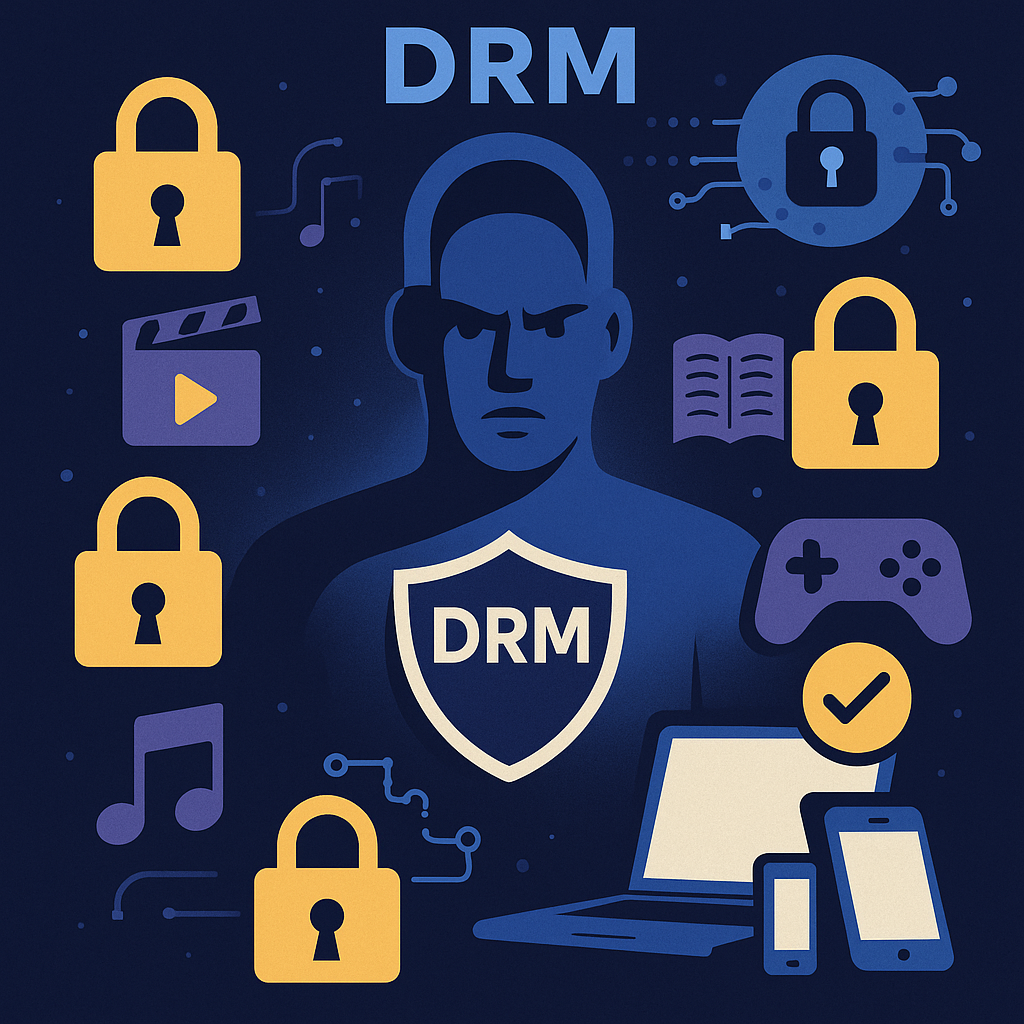

What Is DRM and How It Works
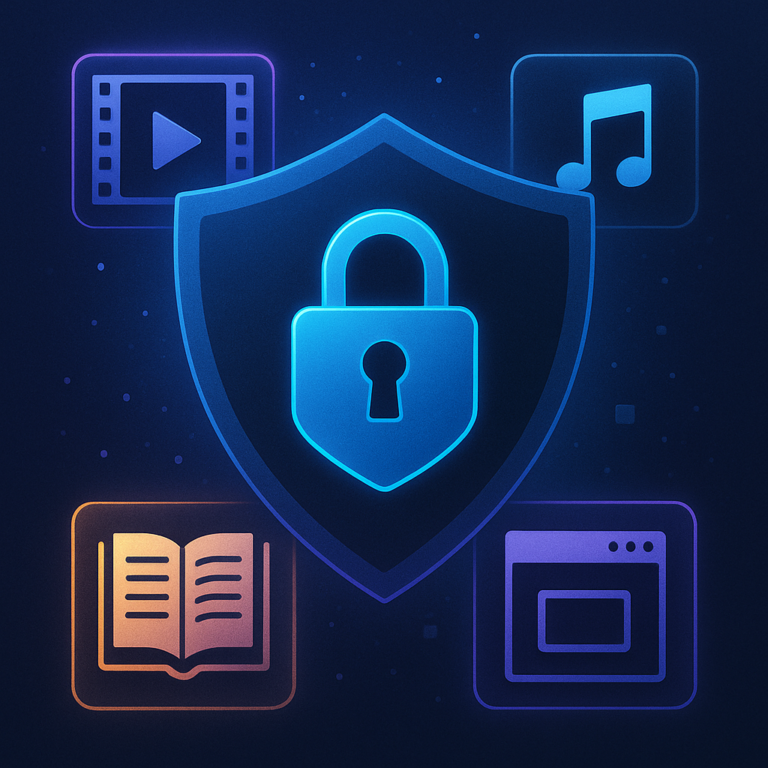
Whenever you stream music, download a game, or read an eBook, you encounter Digital Rights Management (DRM). Simply put, DRM is the digital gatekeeper that controls who can access, use, and share digital content. It plays a critical role in the world of digital ownership.
What Is DRM?
Digital Rights Management is a set of technologies used by content owners to control how their digital products are accessed and shared. It prevents unauthorized copying, limits the number of devices that can use the content, and enforces usage rules to protect creators’ rights.
Why Is DRM Important?
DRM ensures that only paying customers can access digital content, helping creators and companies sustain their work. Without DRM, piracy would cause billions in losses annually. DRM stops unauthorized sharing, enforces rental periods, and limits usage without manual intervention. In short, DRM protects the availability of your favorite music, movies, and games.
How DRM Works: The Key Technologies
DRM uses various methods together to secure digital content:
Encryption – Protecting Content with a Secret Code
Content is scrambled into an unreadable format and can only be accessed by authorized devices with the correct decryption key. Services like Apple’s FairPlay or Google’s Widevine rely on encryption to prevent unauthorized viewing or copying.
License Management – Defining What You Can and Cannot Do
DRM assigns a digital license to the content that specifies permissions such as playback duration, device limits, and printing rights. The media player checks this license before granting access, much like a gatekeeper enforcing rules.
Watermarking – Invisible Tracking Marks
Watermarks embed hidden identifiers inside files to trace leaks back to the source. This method helps content owners identify unauthorized distribution without affecting the user experience.
Hardware Restrictions – Device-Specific Access
Some DRM ties content to particular hardware, allowing playback only on authorized devices. This prevents content sharing between different devices and helps control distribution.
Authentication and Digital Signatures – Verifying Users
Before granting access, DRM systems verify your identity through logins, tokens, or digital signatures. Access can be revoked instantly if terms are violated, ensuring tight control.
Step-by-Step DRM Process Example
When you buy a digital game, DRM works as follows:
- Encrypt the game files to prevent copying.
- Create a license specifying your usage rights.
- Deliver both the encrypted files and license to your device.
- Use a DRM-enabled launcher that checks your license, decrypts the files, and applies restrictions.
- Monitor usage for suspicious activity and revoke access if violations occur.
This process keeps digital content secure while allowing legitimate use.
DRM in Everyday Digital Content
- eBooks: DRM prevents unlimited sharing or lending of digital books.
- Music and Movies: Platforms like Spotify, Netflix, and Disney+ use DRM to restrict copying or unauthorized downloads.
- Software: Programs like Microsoft Office require license activation to prevent piracy.
- Games: Many games use DRM to verify ownership before allowing play.
The Challenges of DRM
While DRM protects creators, it can also inconvenience users by:
- Restricting how and where you can use content.
- Creating compatibility issues across different devices.
- Sometimes pushing frustrated users toward pirated, DRM-free versions.
- Raising privacy concerns due to tracking technologies.
The Future of DRM
Upcoming trends include:
- More user-friendly DRM systems that respect fair use.
- Blockchain-based DRM offering transparency and security.
- Increased use of watermarking over strict locks.
- Legal reforms supporting consumer rights like backups and format-shifting.
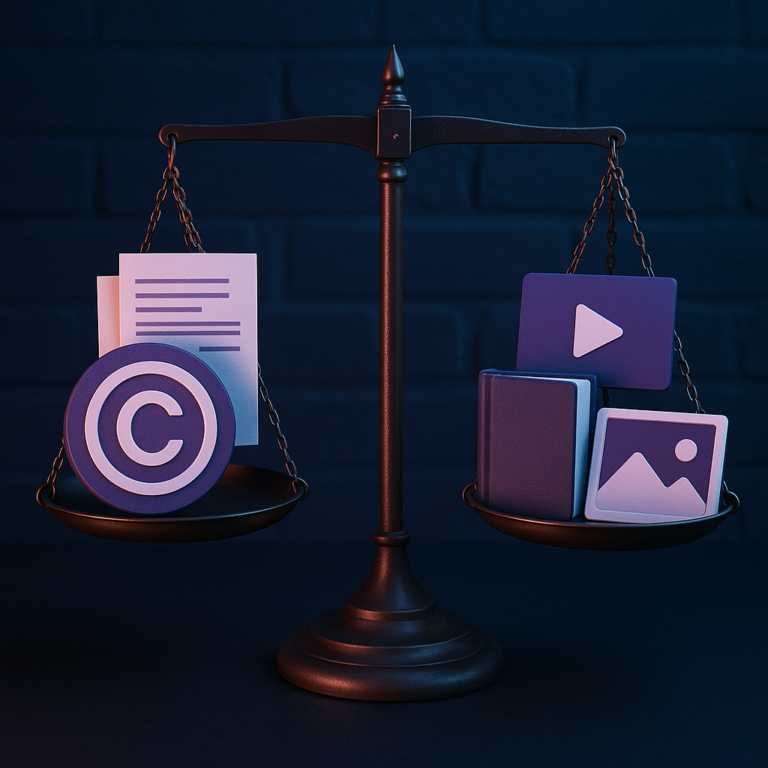
DRM aims to balance protection with user freedom.
Summary
Digital Rights Management (DRM) is the technology that controls how digital content is accessed and used. It uses encryption, licenses, watermarking, hardware restrictions, and authentication to protect creators and regulate consumer use. While it can be restrictive, DRM is essential for sustaining the digital content ecosystem. Advances seek to improve fairness and usability for all parties.
Remember: DRM is everywhere—from your Kindle to your streaming apps—and understanding it helps you navigate digital ownership more smoothly.