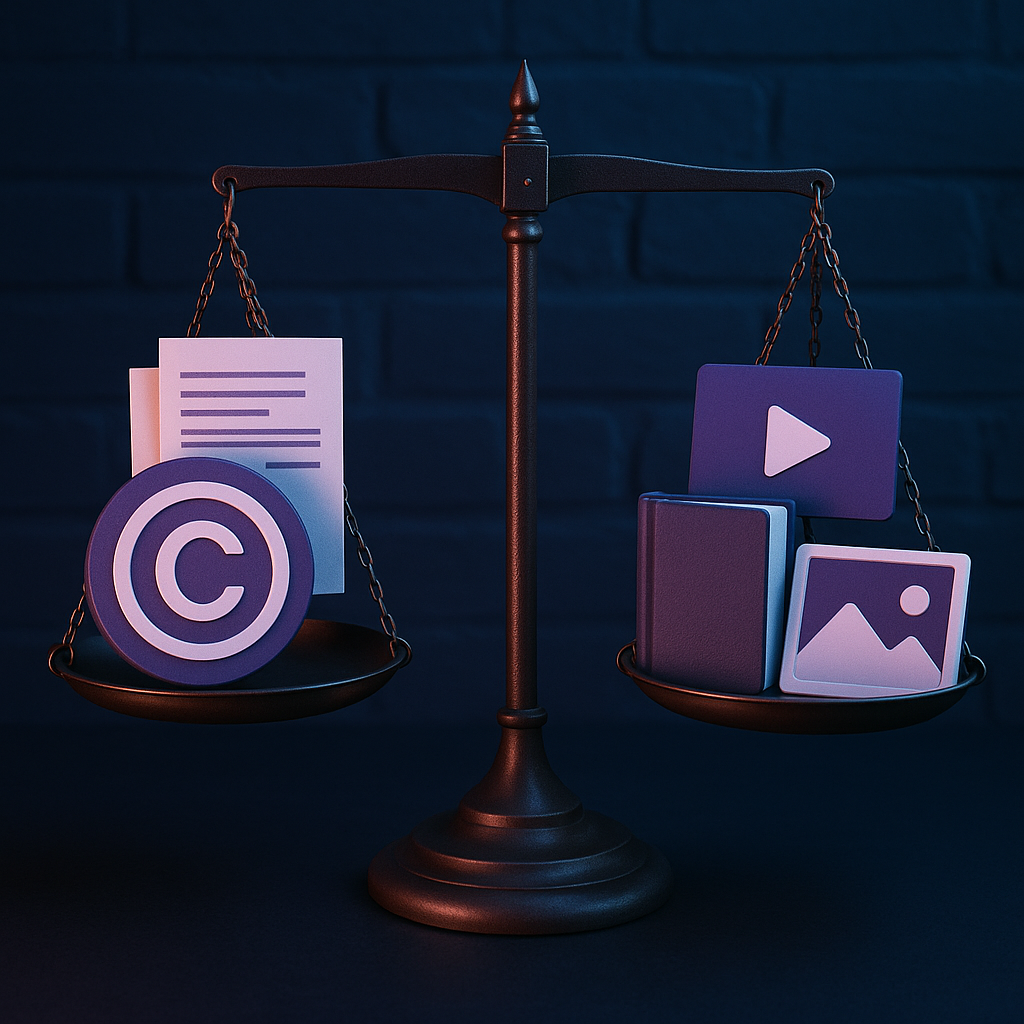

Fair Use vs Copyright Infringement: Understanding the Key Differences
What is Copyright?
Copyright is a legal right that automatically protects original works like photos, blog posts, and videos. From the moment you create content, copyright grants you exclusive rights to reproduce, sell, or license your work. In the U.S., copyright lasts for your lifetime plus 70 years. Its main purpose is to ensure creators benefit from their efforts.
Summary: Copyright is an automatic legal ownership that protects creators’ rights over their content.
What is Copyright Infringement?
Copyright infringement is using someone else’s protected content without permission. Examples include uploading full movies, copying entire books, or using images without consent. Infringement can lead to fines, lawsuits, and content removal. With content sharing so easy, infringement claims continue to rise.
Summary: Copyright infringement means unauthorized use of protected content, which can result in legal consequences.
What is Fair Use?
Fair use is a legal principle allowing limited use of copyrighted material without permission, for purposes like education, commentary, criticism, news reporting, and parody. For instance, sharing a short clip to critique a concert is generally allowed.
Summary: Fair use permits limited use of copyrighted content for public interest without replacing the original.
The Four Factors of Fair Use
Courts assess fair use based on:
- Purpose and Character of Use: Educational, nonprofit, or transformative uses favor fair use.
- Nature of the Work: Using factual content favors fair use more than creative works.
- Amount Used: Using small, non-essential parts supports fair use.
- Effect on Market: Fair use should not harm the original creator’s market.
Summary: Fair use requires a careful, case-by-case analysis of these four factors.
Fair Use Examples in Practice
Common fair use examples include:
- Movie critics showing brief clips
- Journalists using parts of viral videos
- Teachers sharing excerpts
- Comedians creating parodies
The Supreme Court ruled commercial parody as fair use in Campbell v. Acuff-Rose Music (1994).
Summary: Fair use often applies in criticism, education, and parody with market and amount considerations.

How to Avoid Copyright Infringement
To avoid infringement:
- Obtain permission when uncertain
- Use public domain or Creative Commons content
- Use only necessary content and transform it where possible
- Credit creators as a courtesy
- Understand fair use before commercializing content
Summary: Prevention involves getting permissions, using licensed content, and knowing fair use.
Common Misconceptions About Fair Use
Misunderstandings include:
- Giving credit does not replace permission
- Small clips can still infringe if they capture the work’s core
- Fair use covers more than just education, including commercial parody and commentary
Summary: Fair use has limits and is not a free pass to use any content.
International Perspective: Copyright and Fair Use Globally
Outside the U.S., many countries use a narrower “fair dealing” approach, limiting exceptions mainly to criticism, news, or research. The EU has varied rules, so fair use protections may not apply worldwide.
Summary: Copyright exceptions differ globally; check local laws before sharing internationally.
When Fair Use Meets Copyright Infringement in Court
Courts decide fair use cases individually. Some rulings, like Authors Guild v. Google (2019), favor fair use, while others result in copyright strikes on platforms like YouTube.
Summary: Fair use offers a defense but outcomes depend on context and interpretation.
Key Takeaways
| Aspect | Copyright Infringement | Fair Use |
|---|---|---|
| Permission | Not obtained | Not required under specific conditions |
| Nature of Use | Unauthorized | Limited, transformative, or educational |
| Legal Outcome | Risk of lawsuits and damages | Legal defense against infringement |
| Purpose | Often commercial, market replacement | Criticism, education, parody, commentary |
Bottom line: Understanding fair use versus infringement helps you use content legally and creatively.
Understanding the difference between fair use and copyright infringement equips creators and users with the knowledge to navigate content sharing safely and responsibly.