
Copyright Infringement Penalties Explained
Understanding Copyright Infringement
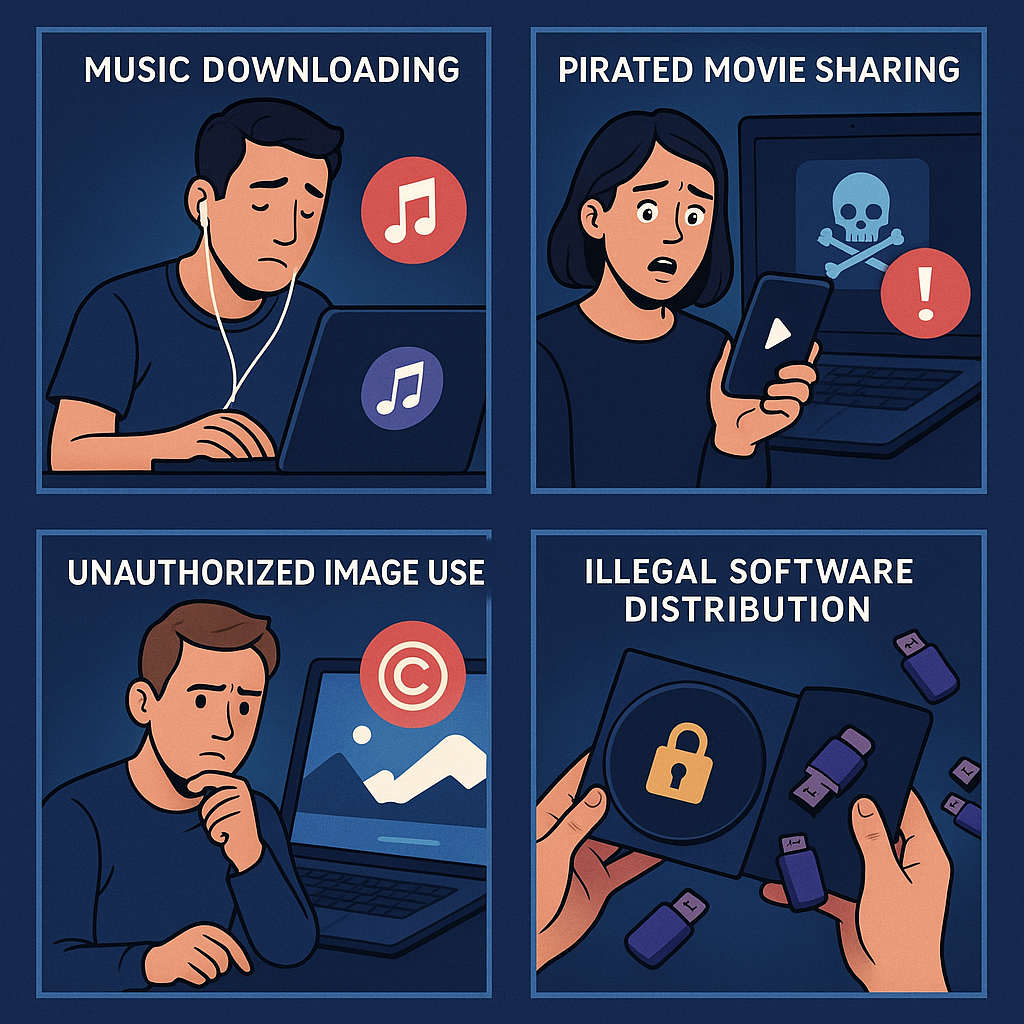
Understanding copyright infringement penalties is crucial in today’s digital world where creative works like music, movies, and images are easily accessible. Copyright infringement happens when you use someone else’s protected creative content without their permission. This includes downloading or sharing copyrighted music and films from unauthorized sites, using someone else’s images or logos without consent, distributing software illegally, or streaming pirated TV shows.

Types of Penalties and Their Assessment
Penalties for copyright infringement vary based on the severity and intent. Courts assess factors such as the amount copied, whether the infringement was intentional, the financial harm caused, and if the offender is a repeat violator. There are two main types of penalties: civil and criminal.
Civil Penalties
Civil penalties typically involve monetary damages and injunctions. Damages can include actual losses suffered by the copyright owner, profits gained by the infringer, or statutory damages ranging from $750 to $30,000 per infringed work. Willful infringement can increase fines up to $150,000. Courts may also issue injunctions to stop ongoing infringement, such as shutting down websites hosting pirated content. For example, in Capitol Records vs. ReDigi, the court ruled that digital resale of music without permission is infringement, despite digital innovation.
Criminal Penalties
Criminal penalties apply mainly when infringement is done willfully for commercial gain. Offenders risk substantial fines and imprisonment, potentially up to five years for a first offense in the U.S. Authorities may also confiscate pirated goods and equipment. Global operations like Operation Creative target piracy rings distributing illegal films and TV shows, resulting in prison sentences and hefty fines.

Why These Penalties Matter
These penalties are important because they protect creators’ rights, prevent widespread piracy, and ensure fairness in the creative economy. Respecting copyright encourages creativity and supports industries that rely on intellectual property.
How to Avoid Copyright Infringement Penalties
To avoid copyright infringement penalties, always use licensed content or materials in the public domain, properly attribute sources when required, and implement content compliance programs if you run a business. Respond promptly to any takedown notices to minimize legal risks.
Conclusion
In summary, copyright infringement penalties serve to protect creative works and maintain a fair, innovative digital environment. Staying informed and respecting copyrights helps keep the digital space legal and vibrant.