
Practical DMCA Takedown Guide
What is a DMCA takedown?
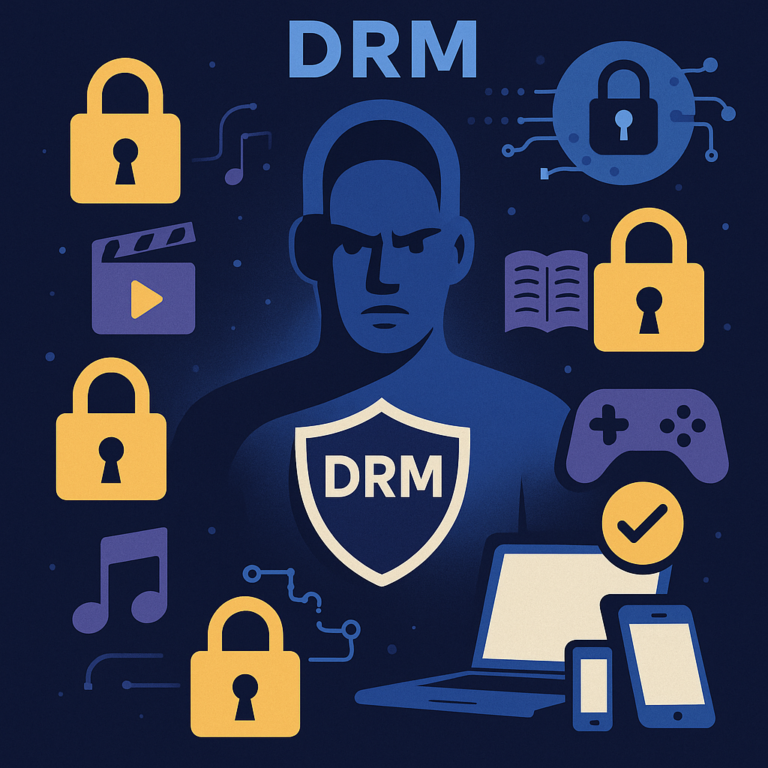
A DMCA takedown is a formal notice under the Digital Millennium Copyright Act (1998) that asks an online service provider to remove or disable access to allegedly infringing content. Platforms that follow the statute’s rules earn safe-harbor protection from liability for user-posted content.
One-sentence summary: DMCA takedown = formal request to remove content so platforms keep legal immunity.

How the DMCA takedown process works (step-by-step)
- Rightsholder finds allegedly infringing content (exact URL or post).
- Rightsholder sends a DMCA takedown notice to the service’s designated agent (check the Copyright Office DMCA Directory).
- If the notice is valid, the platform must expeditiously remove or disable access and notify the poster.
- The poster can file a counter-notice claiming mistake, misidentification, fair use, or ownership.
- On a valid counter-notice, the platform tells the complainant; unless the complainant files suit within roughly 10–14 business days, the platform typically restores the content.
- Knowingly false takedown claims can trigger liability under 17 U.S.C. § 512(f), though damages are rarely awarded without clear bad faith.
Summary: It’s a push/pull system — takedown, possible counter-notice, and a short waiting period for litigation.
What a valid DMCA takedown notice must include
To be effective, a notice should contain the elements from 17 U.S.C. § 512(c)(3):
- A physical or electronic signature of the complaining party.
- Identification of the copyrighted work (or a representative list).
- Identification of the allegedly infringing material and its exact location (precise URL(s) or screenshots with path).
- Complainant contact info (address, telephone, email).
- A good-faith statement that the use is unauthorized.
- A statement, under penalty of perjury, that the information is accurate and that you’re authorized to act.
Missing details delay or reject the notice. One-sentence summary: Be complete, precise, and honest — vague claims won’t work.
Sample DMCA takedown notice (copy/paste and customize)
To: [Designated Agent — service provider name and contact email/address]
Subject: DMCA Takedown Notice — Copyright Infringement

I, the undersigned, state under penalty of perjury that the following is true and accurate:
1. I am the copyright owner (or authorized to act on behalf of the owner) of exclusive rights in the copyrighted work described below.
2. Description of copyrighted work: [Title and description; include registration number if available]
3. Location of infringing material: [Exact URL(s) or other specific location details]
4. I have a good faith belief that the use of the copyrighted material described above is not authorized by the copyright owner, its agent, or the law.
5. I acknowledge that the information in this notice is accurate and, under penalty of perjury, that I am authorized to act on behalf of the copyright owner.

Please remove or disable access to the material described above and notify the site user who posted it.

Signature: [Electronic signature, typed name]
Printed name: [Your name]
Email: [Your email]
Phone: [Your phone]
Date: [Date]
Takeaway: Fill every bracket, send to the designated agent, and keep records.

How to respond: the DMCA counter-notice
If your content was removed and you believe that’s wrong (fair use, licensed, or you own it), submit a counter-notice. Required elements mirror the takedown and add a consent to federal jurisdiction and acceptance of service of process.
Required elements for a counter-notice:
- Signature (physical or electronic).
- Identification of the removed material and its prior location.
- Statement, under penalty of perjury, that you have a good-faith belief the content was removed by mistake or misidentification.
- Your name, address, phone, email, and a statement consenting to federal district court jurisdiction (or the jurisdiction where the provider is located) and accepting service from the complainant.
Sample DMCA counter-notice (customize)
To: [Designated Agent — service provider name and contact email/address]
Subject: DMCA Counter-Notice

I, the undersigned, state under penalty of perjury that the following is true and accurate:
1. I consent to the jurisdiction of the federal district court in [your district or where provider is located].
2. I will accept service of process from the person who provided the DMCA takedown notice (or their agent).
3. Identification of removed material and location before removal: [URL or description]
4. I have a good faith belief that the material was removed or disabled as a result of mistake or misidentification.

Signature: [Electronic signature, typed name]
Printed name, address, phone, email: [Your details]
Date: [Date]
Caution: False statements can bring legal risk. One-sentence summary: Use a counter-notice only when you genuinely believe the removal was erroneous, and consult counsel for high-stakes cases.
Platform responsibilities and safe-harbor rules
To maintain safe harbor under § 512, platforms must:
- Designate an agent and register it with the Copyright Office.
- Publish and enforce a repeat-infringer policy.
- Expeditiously remove or disable access for proper notices.
- Avoid actual knowledge of specific infringing content or obvious red flags.
Failing these duties can strip the platform of immunity. One-sentence summary: Platforms must follow the statute’s procedures or risk litigation.
Key cases, trends, and scale issues
- Lenz v. Universal (9th Cir., 2015): Rightsholders must consider fair use before sending a takedown. Don’t send notices without thinking.
- Viacom v. YouTube: Showed the enormous volume and complexity of notices and platform processing.
- Trend: Millions of notices per year → automation, more mistakes, and more disputed removals. Check Google Transparency Report and Lumen Database for trends.
Takeaway: Courts expect good-faith analysis; scale increases errors.
Abuse, false claims, and penalties
DMCA notices can be weaponized for harassment, censorship, or competitive mischief. Section 512(f) permits damages for knowing false claims, but courts require clear proof of bad faith. Organizations like EFF document misuse and offer help.
One-sentence summary: Remedies exist for abuse, but they’re not easy to win.
Best practices (avoid avoidable mistakes)
For rightsholders:
- Confirm ownership and assess fair use before filing.
- Be granular: include exact URLs, timestamps, and screenshots.
- Keep records of notices and any responses.
For recipients of takedowns:
- Preserve evidence (screenshots, timestamps, metadata).
- Analyze fair use and license status carefully.
- Consider a counter-notice or seek counsel when needed.
For platforms:
- Register an agent and publish a clear DMCA policy.
- Create workflows, logging, and repeat-infringer procedures.
- Use automation plus human review for edge cases.
One-sentence summary: Good process, records, and common sense reduce headaches.
Resources and tools
- U.S. Copyright Office DMCA overview: https://www.copyright.gov/dmca/
- DMCA Agent Directory: https://www.copyright.gov/dmca-directory/
- Lumen Database: https://lumendatabase.org/
- EFF DMCA guidance: https://www.eff.org/issues/dmca
- Google Transparency Report: https://transparencyreport.google.com/
Quick checklist
- Rightsholders: Verify ownership, include all 512(c)(3) elements, retain proof.
- Recipients: Save evidence, assess fair use, consider counter-notice.
- Platforms: Publish policy, register agent, log notices, act expeditiously.
Need a tailored DMCA takedown or counter-notice? Tell me what was taken down, where it was posted, and why you believe it’s authorized. I’ll draft a version you can use and flag where you should consult a lawyer.