
Understanding Digital Rights Management: Protecting Content in the Digital Age
In today’s digital world, your favorite movie might stream across multiple devices, your playlist syncs automatically everywhere, and that eBook you purchased likely only opens on specific devices like a Kindle. This is where Digital Rights Management (DRM) comes in. DRM is the technology that creators and distributors rely on to protect their digital content from unauthorized copying and piracy.

What is Digital Rights Management (DRM)?
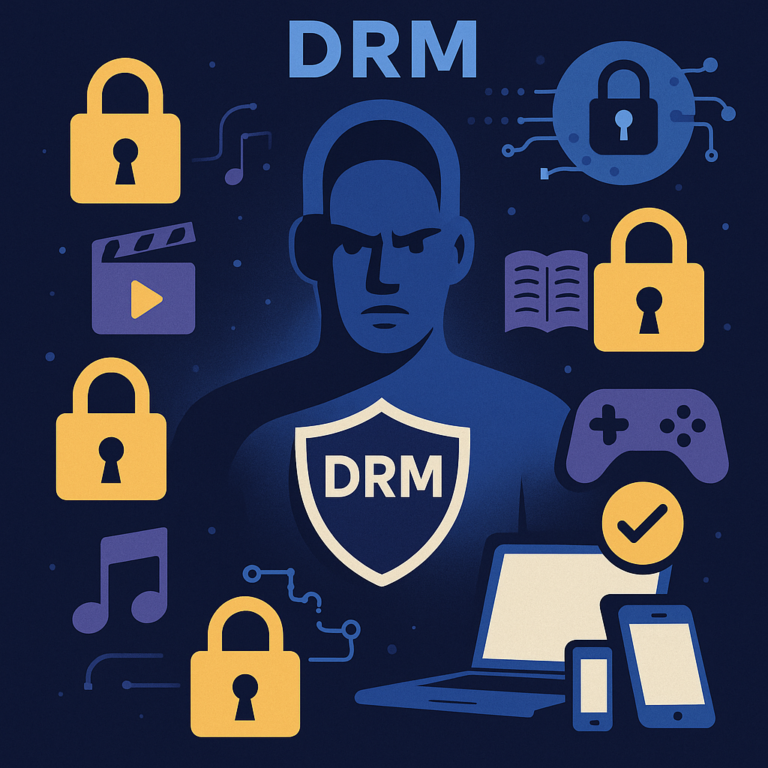
Digital Rights Management is a set of technologies that control how digital content is accessed, used, and shared. Whether it’s streaming music on Spotify, watching Netflix, reading eBooks on Kindle, or using licensed software, DRM enforces the rules set by copyright holders. Essentially, DRM acts like a digital gatekeeper, ensuring only authorized users can access the content and use it as allowed.
Key Functions of DRM
- Access Control: Grants content only to authorized users.
- Usage Limitation: Prevents unauthorized copying, printing, or sharing.
- License Enforcement: Enforces rental periods, subscription limits, and licensing terms.
- Intellectual Property Protection: Safeguards creators’ rights by restricting unauthorized use.
DRM’s role may seem restrictive, but it is crucial to prevent widespread unauthorized distribution.
Summary: DRM acts as the rulebook governing your rights and restrictions when using digital content.
How Does DRM Work?
DRM operates through a combination of encryption, licensing, and user authentication:
- Encryption: The content is encrypted so it can only be accessed with a special key.
- Licensing: Upon purchase or rental, users receive a license and a key that define their access rights.
- Authentication: Each time you open the content, the system verifies your authorization.
- Usage Restrictions: Actions like copying or sharing are restricted based on the license.
Common DRM Technologies
- Apple FairPlay: Protects iTunes and Apple Music content.
- Microsoft PlayReady: Secures Windows applications and Xbox games.
- Google Widevine: Used by platforms like Netflix and YouTube for streaming.
- Adobe Digital Editions: Manages eBook protections.
All these technologies share the goal of protecting digital content from unauthorized use.
Summary: DRM combines cryptography and licensing systems to enforce digital content rules.
Why DRM Matters: Business and Legal Perspectives
The internet facilitates easy piracy, threatening creators’ revenue and the digital content economy. DRM plays a vital role in:
Protecting Revenue
The music industry shows how DRM in streaming platforms has decreased piracy and helped revenue recovery. Although royalty concerns remain, DRM-backed services demonstrate that piracy can be controlled.
Enforcing Licensing Agreements
DRM enables flexible business models like subscriptions, rentals, and pay-per-view by enforcing usage rights automatically.
Supporting Legal Action
DRM logs digital footprints that help prove violations in legal proceedings against piracy.
Summary: DRM sustains the digital content economy by protecting revenue streams and enforcing user rights.
Consumer Experience: Benefits and Challenges
Benefits for Users
- Access to a wider range of exclusive and premium content.
- Flexible consumption through subscriptions and rentals.
- Assurance of content authenticity and quality.
Challenges
- Compatibility issues restricting content use to particular devices.
- Limited ownership, as access is often governed by licenses rather than outright ownership.
- User inconvenience when making personal backups or offline viewing.
- Preservation concerns for long-term archival of digital content.
Example: In 2016, Amazon removed DRM from some Kindle classics, improving user freedom and enjoyment.
Summary: DRM protects content but can sometimes limit even legitimate user access.
DRM Across Industries
Music and Video Streaming
DRM protects streaming libraries, preventing unauthorized distribution.
eBooks and Digital Publishing
DRM confines eBooks to specific ecosystems, balancing publisher control and device restrictions.
Software and Video Games
DRM secures software licenses but may face backlash from users over restrictive verification methods.
Summary: DRM adapts to industry needs while balancing content protection and user experience.
Controversies and the Future of DRM
The Piracy Paradox
Strict DRM may push users toward pirated content to avoid restrictions, as seen with DRM-free platforms like GOG.com.
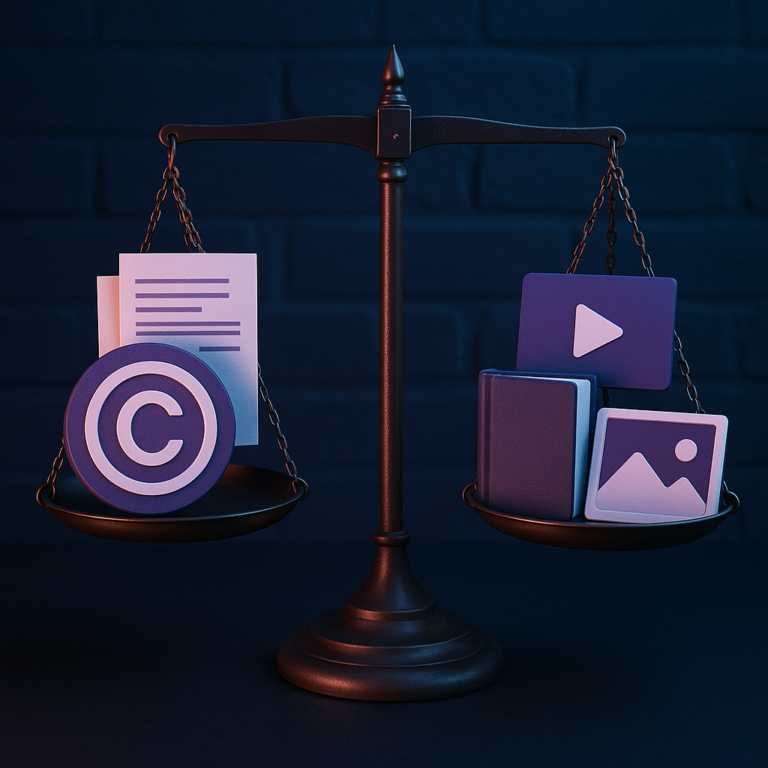
Balancing Rights and User Freedom
The goal is to protect creators without penalizing paying users.
Emerging Trends
- Watermarking and Fingerprinting: Track leaks without locking content.
- Blockchain: Transparent and secure rights management.
- AI-Based DRM: Intelligent monitoring to identify misuse.
- DRM + NFTs: Hybrid ownership and access control methods.
Summary: DRM is evolving into a more flexible, technology-driven system that balances protection with user freedom.
Digital Rights Management is an essential technology that protects digital content in an age where copying is effortless. It supports creators and distributors by enforcing access and usage rules, while continuing to evolve toward more user-friendly solutions. Effective DRM is the system you hardly notice but plays a crucial role in the digital content ecosystem.