
How to File a DMCA Takedown Notice: A Step-by-Step Guide
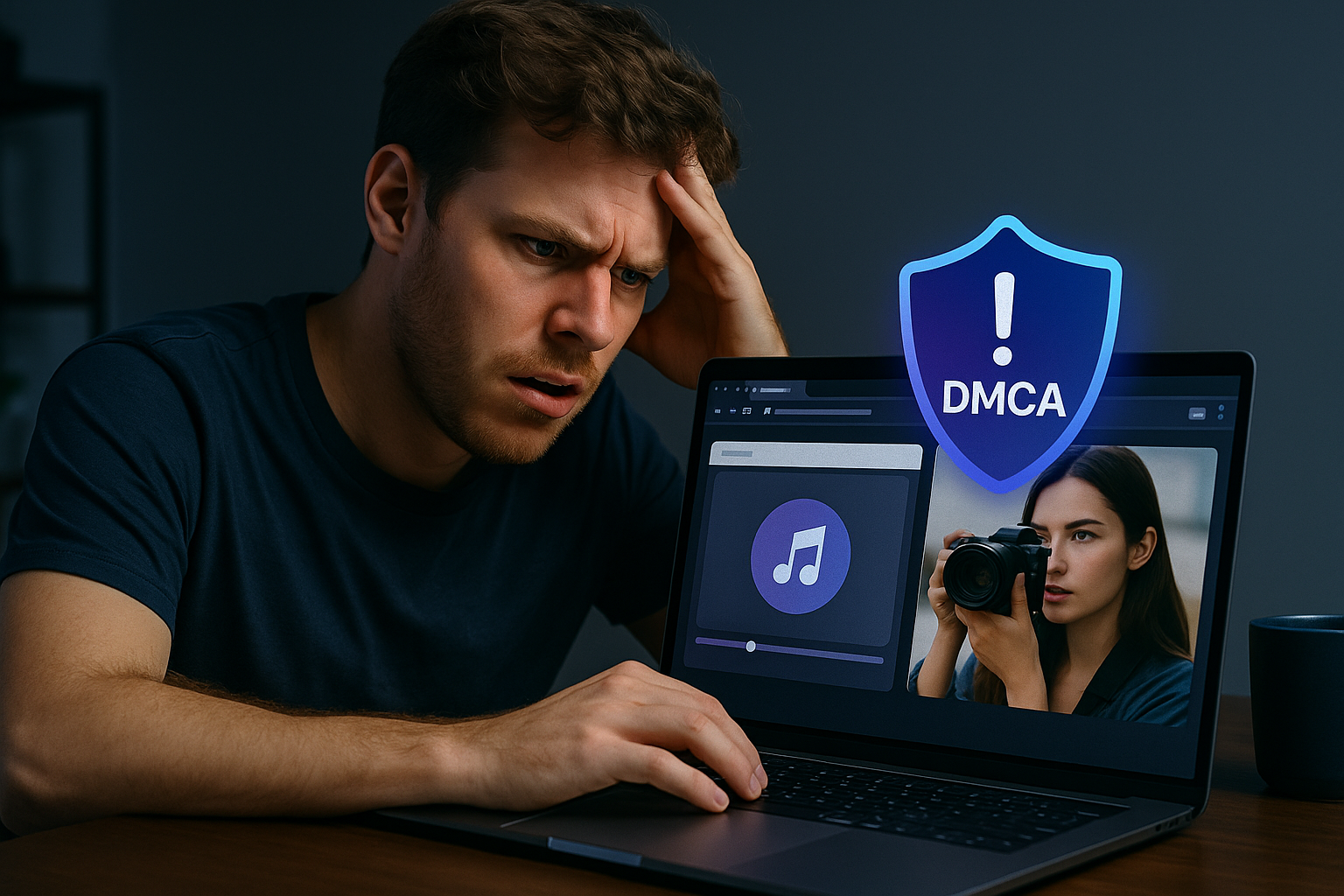
Have you found your original photo, playlist, or eBook shared online without your permission? The DMCA takedown notice is the internet’s effective “cease and desist” tool to protect your digital content.
Here’s how to file a DMCA takedown notice correctly—without legal mistakes or sounding unprofessional.

What Is a DMCA Takedown Notice?
The Digital Millennium Copyright Act (DMCA) is a U.S. law from 1998 that helps creators protect their copyrighted material online. A DMCA takedown notice is a formal request sent to a website or platform asking them to remove unauthorized use of your content.
Websites hosting user-generated content must comply with valid DMCA takedown notices to maintain legal immunity, known as “safe harbor.” When they receive a proper DMCA notice, they must act quickly to remove or disable access to the infringing content.
In summary: A DMCA takedown notice legally protects your digital ownership and forces platforms to remove stolen content.
When Should You File a DMCA Takedown Notice?
You should file a DMCA notice when:
- Your copyrighted work appears online without your permission.
- The website or service is subject to U.S. jurisdiction.
- You want an official way to have the infringing content removed.
Examples include:
- Your photo used on a blog without credit.
- Your music included in a YouTube video without a license.
- Your eBook shared as a free download without authorization.
Note that DMCA applies to copyright infringement only. For trademark or brand misuse, other legal actions are required.
Summary: Use a DMCA takedown notice to remove unauthorized copies of your copyrighted work hosted on U.S.-connected platforms.
Step 1: Identify the Infringing Content
Locate the exact content you want to report by noting:
- The specific URL(s) where the unauthorized content is found.
- Which part of your original work has been copied.
- How this use violates your copyright (e.g., unlicensed use).
Tip: Take screenshots or save copies immediately, as content may be removed quickly after filing.
Summary: Provide precise details about the infringement to ensure fast removal.
Step 2: Verify Your Ownership or Authorization
Before filing, confirm that:
- You own the copyright to the work, or
- You are authorized by the copyright owner to act on their behalf.
Filing a notice without proper ownership or permission can cause legal issues.
Summary: Only file DMCA notices for your own work or when authorized.
Step 3: Draft Your DMCA Takedown Notice
Your notice must include these key elements according to U.S. law (17 U.S.C. § 512(c)):
- Your full name, address, phone number, and email.
- A description or link to your copyrighted work.
- The exact URL(s) of infringing content.
- A statement of good faith belief that the use is unauthorized.
- An accuracy statement under penalty of perjury.
- Your physical or electronic signature.
Sample DMCA Notice Template
To Whom It May Concern,

I, [Your Full Name], am the copyright owner (or authorized agent) of the described work.

Description of copyrighted work: [Brief description or URL]

The material at [URL(s)] infringes my copyright and was used without permission.

I have a good faith belief that this use is unauthorized.

The information in this notice is accurate, and I am authorized to act on behalf of the copyright owner.

Please remove or disable access to this material immediately.

Signature: [Your name]
Contact Information:
[Address]
[Phone number]
[Email]
Date: [Date]

Thank you.
Summary: Following this format ensures your notice meets all legal requirements.
Step 4: Find the Correct Recipient
Send your notice to the designated DMCA agent of the website or platform. To find this contact:
- Check the site’s Terms of Service, Copyright Policy, or Legal pages.
- Use the U.S. Copyright Office’s DMCA Agent Directory.
- Use official online forms for large platforms like YouTube or Facebook.
Summary: Deliver your notice to the correct DMCA agent to avoid delays.
Step 5: Submit the DMCA Notice
Submit your notice by email, online form, or postal mail as required by the platform. Always keep a copy for your records along with any correspondence.
Summary: Keep thorough records of your DMCA submission.
Step 6: Monitor the Response
After submission:
- The platform should remove or disable infringing content promptly.
- The user may file a counter-notice if they dispute your claim.
- You can choose to take further legal action if a counter-notice occurs.
Stay patient and follow up as needed.
Summary: DMCA enforcement is a process that requires monitoring until resolved.

Tips for a Successful DMCA Takedown Notice
- Be precise with URLs and descriptions.
- Use official contact details.
- Maintain a professional, courteous tone.
- Understand DMCA limitations on international content.
- Consult a copyright attorney for complex cases.
Summary: A clear, respectful notice is more effective than threats or vague claims.
What to Do If Your DMCA Notice Is Ignored
If you receive no response:
- Wait two weeks, then send a polite follow-up.
- Contact the site’s legal or support team directly.
- Consider filing complaints with authorities.
- Use third-party DMCA enforcement services like DMCA.com.
Summary: Persistence and escalation can help if your initial notice is ignored.
Filing a DMCA takedown notice is a powerful way to protect your creative content online. By following each step carefully, you ensure your digital ownership rights are respected and your work is taken down when used without permission. Remember, your content deserves protection and respect across the internet.